Tips for Creating an Inviting and Productive Home Office Space

Creating a home office that is both inviting and productive can make a big difference in your work-from-home experience. Whether you’re new to remote work or looking to improve your existing setup, a few thoughtful changes can enhance comfort, focus, and efficiency. In this post, we’ll explore practical tips to help you design a home office that feels good to work in and boosts productivity.
1. Choose the Right Location
The first step in creating an effective home office is picking the best spot in your home. Ideally, choose a quiet area with minimal distractions. If possible, find a space with natural light, such as near a window, to help improve mood and focus.
Consider privacy and comfort
– Avoid high-traffic areas or places where family members frequently pass by.
– Assess the room’s temperature control to ensure comfort during long hours.
– If space is limited, consider using room dividers or screens to create a sense of separation.
2. Invest in Ergonomic Furniture
Comfort is key to productivity. An ergonomic chair and desk can prevent discomfort and long-term health issues such as back or neck pain.
What to look for:
– Adjustable chair with good lumbar support.
– A desk at the right height for typing and writing.
– Footrests or standing desks to encourage movement.
Ergonomic setups allow you to maintain good posture, reducing fatigue and helping you stay focused throughout the day.
3. Optimize Lighting
Lighting greatly influences productivity and eye comfort.
Maximize natural light
Natural sunlight can make your workspace more inviting and energizing. Position your desk near a window if possible, but avoid glare by angling your screen or using sheer curtains.
Add layered lighting
Use a combination of ambient lighting (like ceiling fixtures) and task lighting (such as desk lamps) to reduce eye strain during evening work.
4. Organize and Declutter Your Space
A cluttered desk can increase stress and distraction. Keep your workspace tidy to maintain focus.
Tips for organization:
– Use drawers, shelves, or filing cabinets to store supplies.
– Keep only essentials on your desk to reduce distractions.
– Employ cable management tools to organize cords and chargers.
Digital organization matters too
Organize your computer files and emails regularly to save time and reduce stress.
5. Personalize Your Workspace
Adding personal touches can make your home office more inviting and inspiring.
Ideas for personalization:
– Hang artwork or photos that motivate you.
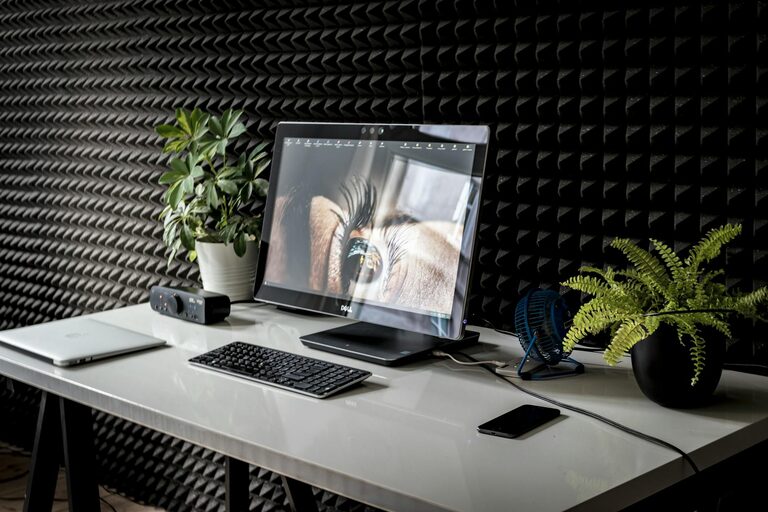
– Use plants to add color and fresh air.
– Choose cushions or rugs for added comfort and warmth.
Personalization helps create a space where you enjoy spending time, which can improve your mood and creativity.
6. Minimize Distractions
Distractions can hinder productivity. Identifying and minimizing them helps you stay on task.
Strategies include:
– Using noise-canceling headphones or playing background music.
– Setting clear boundaries with household members about work hours.
– Turning off unnecessary notifications on your devices.
7. Incorporate Storage Solutions
Adequate storage keeps your office streamline and prevents clutter buildup.
Useful options:
– Floating shelves or wall-mounted organizers to save floor space.
– Stackable trays for papers and documents.
– Desktop organizers for pens, sticky notes, and accessories.
8. Maintain a Healthy Work Routine
Lastly, a productive home office is about more than the physical space. Ensure you follow a work routine that includes breaks, proper hydration, and movement.
Helpful habits:
– Take short breaks every hour to stretch or walk.
– Keep water nearby to stay hydrated.
– Use reminders to stand up or practice deep breathing exercises.
—
By combining these tips, you can create a home office space that’s both comfortable and conducive to productivity. Remember, the key is to balance comfort with functionality, making your workspace a place you want to return to each day. Start small, make adjustments as you go, and enjoy the benefits of a thoughtfully designed home office!